
Navigating the intricacies of security deposits can be a daunting task for both landlords and tenants. A security deposit is a crucial component of the rental process, serving as financial protection for landlords against potential damages or unpaid rent. Understanding the security deposit process, from the initial payment to the final return, is essential for a positive and transparent landlord-tenant relationship. This article will provide a comprehensive guide to the security deposit process, covering key aspects such as security deposit laws, security deposit limits, permissible uses of security deposits, and best practices for both landlords and tenants. By understanding your rights and responsibilities regarding security deposits, you can avoid disputes and ensure a smooth rental experience.
Whether you are a seasoned landlord or a first-time renter, a clear understanding of the security deposit process is vital. This article will delve into the specifics of security deposit laws, highlighting variations across different jurisdictions. We’ll discuss security deposit limits, acceptable deductions, and the proper procedures for returning security deposits. We will also explore strategies for documenting the condition of the rental unit, which can be instrumental in preventing disagreements regarding security deposit deductions. By familiarizing yourself with the key elements of the security deposit process, you can protect your financial interests and foster a positive landlord-tenant relationship.
What Security Deposits Cover
A security deposit primarily serves as protection for landlords against potential financial losses incurred due to a tenant’s actions or negligence. It acts as a form of insurance against various issues that may arise during the tenancy.
Commonly covered expenses include unpaid rent. If a tenant fails to pay rent as agreed upon in the lease, the landlord can typically use the security deposit to cover the outstanding balance. Additionally, the deposit can cover property damage beyond normal wear and tear. This includes damage caused by the tenant, their guests, or pets.
Other potential uses of the security deposit may include covering breach of contract costs, such as if a tenant breaks the lease early without justification. Some jurisdictions also allow landlords to use the deposit to cover unpaid utilities if the tenant is responsible for these payments under the lease agreement.
How Much You Should Pay
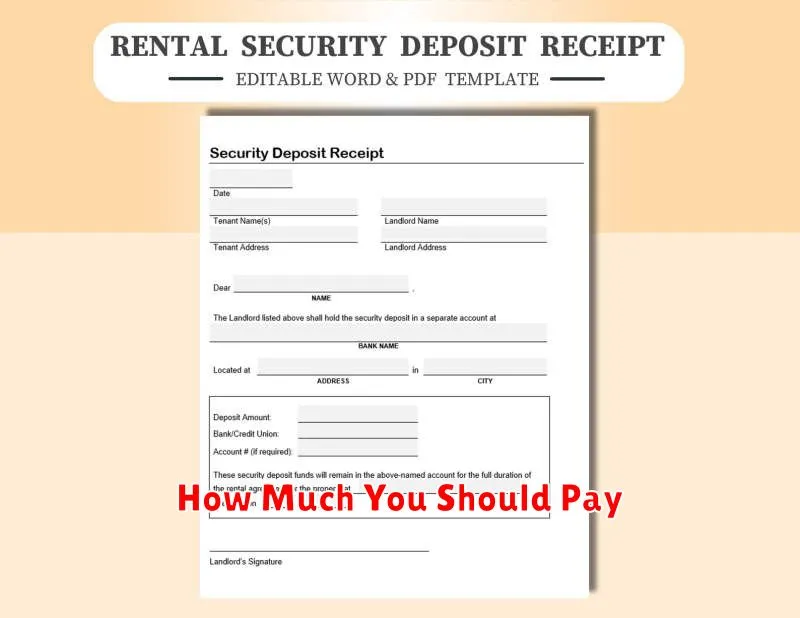
Security deposit amounts vary and are primarily determined by the landlord or property manager. There is often a correlation between the deposit amount and the monthly rent, with a common range being one to two months’ rent.
Several factors can influence the final amount. These include the local rental market, the condition of the property, and your credit history. Landlords may charge a higher deposit for properties with upgraded amenities or if your credit score indicates a higher risk.
It’s crucial to carefully review the lease agreement before signing. This document will explicitly state the security deposit amount and the conditions under which it will be returned (or withheld) at the end of your tenancy.
Documenting Property Condition
Thoroughly documenting the property’s condition at the start of a tenancy is crucial for both landlords and tenants. This documentation serves as a baseline to assess any damages beyond normal wear and tear at the end of the lease term.
There are several ways to document the condition:
- Check-in/Check-out reports: A detailed written report listing existing damages, cleanliness, and the general state of the property. Both parties should sign and date the report.
- Photographs: Time-stamped photographs provide visual evidence of the property’s condition. Focus on areas prone to damage, appliances, and existing imperfections.
- Videos: A walkthrough video can offer a comprehensive view of the property’s state. Narrate the video, pointing out key features and existing issues.
Ensure all documentation is clear, accurate, and readily accessible to both parties. This proactive approach can prevent disputes and facilitate a smooth move-out process.
What Can Be Deducted
A security deposit acts as insurance for landlords against potential damages or unpaid rent. Landlords can typically deduct from the security deposit for the following:
- Unpaid Rent: Any outstanding rent owed at the end of the lease term.
- Damage Beyond Normal Wear and Tear: This includes significant damage to walls, flooring, appliances, or fixtures. Normal wear and tear refers to the expected deterioration from everyday use.
- Cleaning Costs: If the property is left excessively dirty, requiring professional cleaning beyond normal cleaning expectations.
- Breach of Lease Terms: Deductions may be made for violations such as unauthorized pets or occupants.
It’s crucial to understand that landlords cannot deduct for pre-existing damage or normal wear and tear. Documentation, such as a move-in inspection report, is vital for both landlords and tenants to protect their interests.
Getting the Refund Back
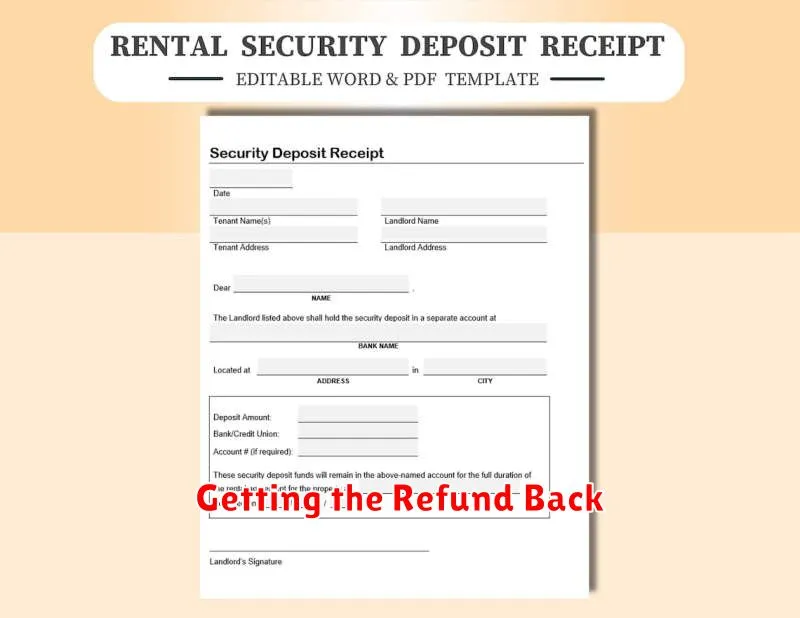
After vacating the property, the landlord is obligated to return the security deposit, less any allowable deductions. Allowable deductions typically include unpaid rent, damage beyond normal wear and tear, and cleaning costs if the property wasn’t left in a reasonably clean condition.
The timeframe for returning the deposit varies by state law. Some states mandate a specific timeframe, such as 30 days, while others are less prescriptive. Check your local tenant-landlord laws for specifics.
Landlords are usually required to provide an itemized list of deductions along with the remaining deposit. If you disagree with any of the deductions, contact your landlord immediately to discuss the matter. If a resolution cannot be reached, you may need to pursue legal action to recover the disputed amount.
Disputing Deductions
If you disagree with deductions made from your security deposit, it’s important to act quickly and follow the proper procedures. Typically, you have a limited time frame to dispute the deductions, so review your lease agreement or local laws for specific deadlines.
Begin by contacting your landlord in writing, clearly outlining the disputed charges. Provide specific evidence to support your claim. This may include photographs, videos, dated receipts for repairs you made, or testimonies from witnesses. Be respectful and professional in your communication.
If communication with your landlord doesn’t resolve the issue, you may need to pursue other options such as mediation or small claims court. Research the regulations in your jurisdiction for further guidance on these processes.
